EVENTS
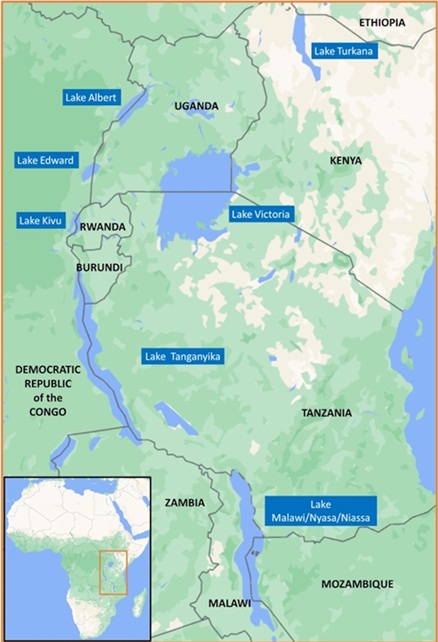
The African Great Lakes are:
- Lake Albert.
- Lake Edward.
- Lake Kivu.
- Lake Malawi.Niassa/Nyassa.
- Lake Tanganyika.
- Lake Turkana.
- Lake Victoria.
1. Organizational Overview
Great Lakes Environment Conservation Alliance (GLECA) is a non-political and nonprofit making registered with registration number 00NGO/R/10262. It is community-based environmental organization established to contribute to the conservation of freshwater and terrestrial ecosystems, climate resilience, biodiversity protection, sustainable natural-resource management, and inclusive green livelihoods across the Great Lakes Region. GLECA recognizes that communities across the Great Lakes Region depend heavily on natural resources for livelihoods, food security, health, and economic wellbeing. At the same time, these resources are increasingly threatened by climate change, environmental degradation, pollution, deforestation, biodiversity loss, unsustainable resource use, and other pressures.
GLECA therefore seeks to work with communities, government institutions, civil society organizations, development partners, researchers, private-sector actors, and other stakeholders to develop practical and sustainable responses to environmental and socioeconomic challenges.
2. Organizational Background and Rationale
Communities across the Great Lakes Region, Tanzania included, face growing environmental and socioeconomic challenges that threaten their livelihoods and wellbeing. Climate change has intensified droughts, floods, erratic rainfall, and rising temperatures, reducing agricultural productivity and increasing food insecurity.
Freshwater ecosystems are under increasing pressure from pollution, overfishing, invasive species, and unsustainable resource use. These pressures contribute to declining fish stocks, deteriorating water quality, and threats to aquatic biodiversity and the communities whose livelihoods depend on lakes, rivers, and wetlands. On land, deforestation, land degradation, and biodiversity loss are accelerating due to unsustainable farming practices, charcoal production, habitat destruction, and other pressures on natural resources. These challenges disproportionately affect women, youth, and vulnerable households that depend directly on natural resources.
GLECA was established in response to these interconnected challenges, with the aim of supporting communities and stakeholders to protect natural ecosystems, strengthen climate resilience, promote sustainable resource use, and create opportunities for environmentally sustainable livelihoods.
Vision
A thriving Great Lakes Region where people, nature, and biodiversity flourish in harmony for a resilient and sustainable future.
4. Mission
To conserve freshwater and terrestrial ecosystems, promote climate resilience, and empower communities through sustainable environmental management, biodiversity conservation, and inclusive green livelihood initiatives across the Great Lakes Region.